
Embarking on the journey of eco-friendly roof installation, we delve into the realm of sustainable roofing solutions that not only benefit the environment but also offer cost-effective advantages. From reducing energy consumption to maximizing energy efficiency, the world of eco-friendly roofs is filled with possibilities waiting to be explored.
Benefits of Eco-Friendly Roof Installation
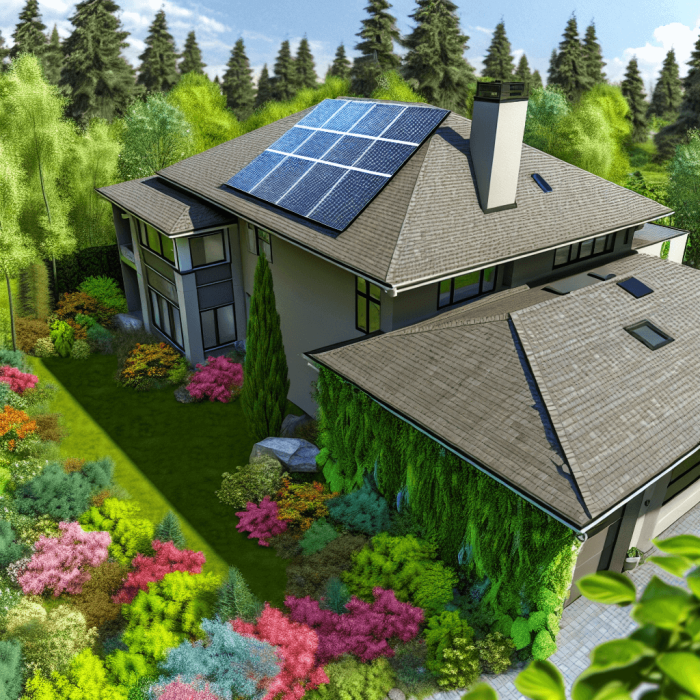
Installing an eco-friendly roof comes with a myriad of benefits that go beyond just providing shelter. Let's explore some of the advantages of opting for sustainable roofing options.
Environmental Impact of Eco-Friendly Roofing Materials
When you choose eco-friendly roofing materials, you contribute to reducing the carbon footprint of your home. Materials such as recycled metal, solar tiles, and green roofs help in conserving energy, reducing waste, and promoting sustainability. By using these materials, you are actively taking steps towards a greener future for our planet.
Cost-Saving Advantages of Installing an Eco-Friendly Roof
While the initial cost of eco-friendly roofing materials may seem higher than traditional options, the long-term savings are significant. Eco-friendly roofs are known for their durability, energy efficiency, and low maintenance requirements. This translates to lower utility bills, reduced repair and replacement costs, and potential tax incentives or rebates for using sustainable materials.
Examples of Sustainable Roofing Options Available in the Market
There are various sustainable roofing options available in the market to suit different needs and preferences. Some popular choices include:
- Recycled metal roofs, which are durable, lightweight, and recyclable.
- Solar tiles that harness the power of the sun to generate electricity for your home.
- Green roofs, which are covered with vegetation and help in reducing urban heat island effect, improving air quality, and providing insulation.
- Cool roofs, designed to reflect sunlight and reduce heat absorption, thereby decreasing energy consumption for cooling.
By opting for these sustainable roofing options, you not only enhance the aesthetic appeal of your home but also contribute to a healthier environment and save on long-term costs.
Types of Eco-Friendly Roofing Materials
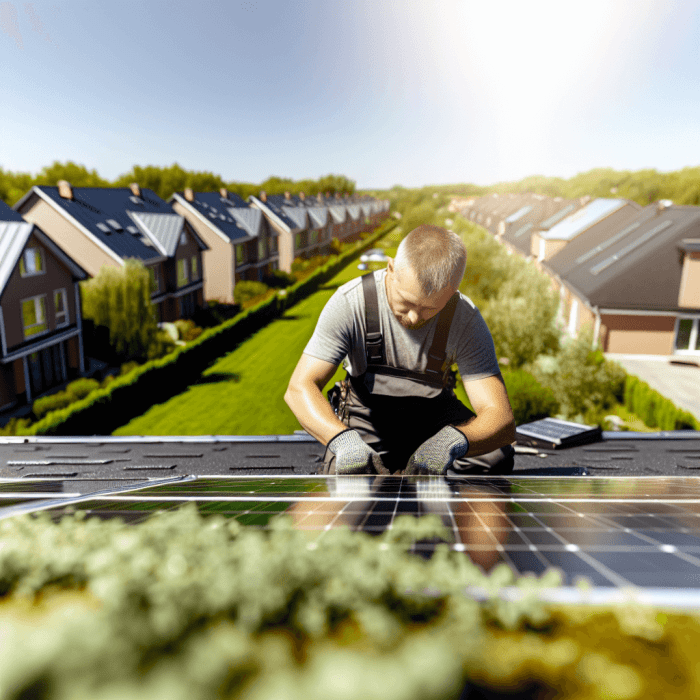
Metal, solar, green roofs, and recycled shingles are all popular options for eco-friendly roofing materials. Each type has its own unique benefits and considerations to take into account when choosing the right material for your home.
Metal Roofing
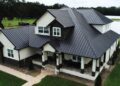
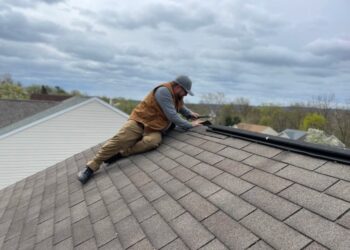
Metal roofing is known for its durability and longevity. It can last up to 50 years or more with proper maintenance. Metal roofs are also lightweight, fire-resistant, and recyclable. The installation process involves securing metal panels or shingles to the roof deck, which can be done efficiently by experienced professionals.
Solar Roofing
Solar roofing is a sustainable option that utilizes solar panels to generate electricity for your home. These roofs can last for 25 years or more and help reduce energy costs over time. The installation process includes integrating solar panels onto the roof structure and connecting them to the electrical system of the house.
Green Roofs
Green roofs, also known as living roofs, are covered with vegetation that helps improve air quality, reduce energy costs, and provide insulation. These roofs can last up to 40 years or more with proper maintenance. The installation process involves adding a waterproof membrane, drainage system, soil, and plants to the roof structure.
Recycled Shingles
Recycled shingles are made from materials like rubber, plastic, or wood fibers, diverting waste from landfills. These shingles can last up to 30 years and are available in a variety of styles and colors. The installation process is similar to traditional shingles, with the added benefit of environmental sustainability.
Energy Efficiency of Eco-Friendly Roofs
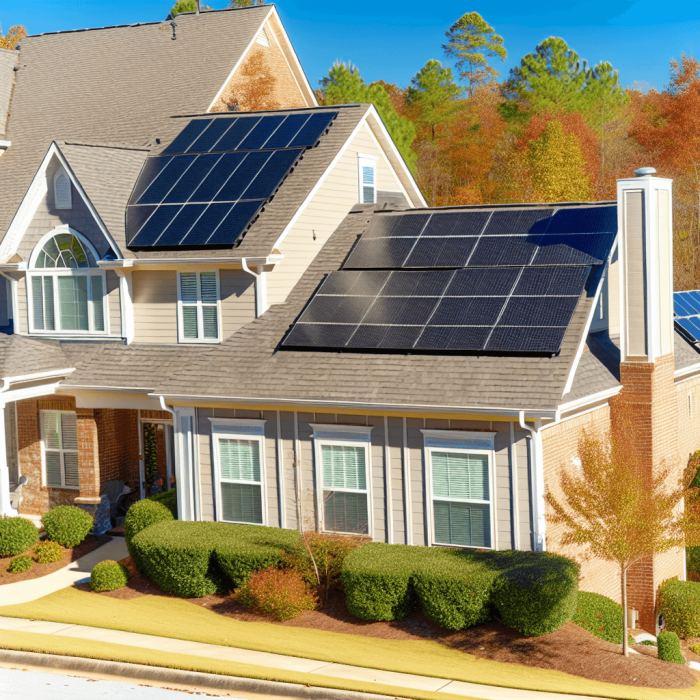
Eco-friendly roofs not only benefit the environment but also contribute to energy efficiency in buildings. By incorporating sustainable roofing materials and designs, these roofs can help in reducing energy consumption and promoting a more comfortable indoor environment.
Impact on Indoor Temperature Regulation
Eco-friendly roofs, such as green roofs and cool roofs, play a significant role in regulating indoor temperatures. Green roofs, for example, provide natural insulation and reduce heat absorption, keeping the building cooler in hot weather. On the other hand, cool roofs reflect sunlight and heat away from the building, maintaining lower temperatures indoors.
This natural temperature regulation leads to reduced reliance on heating and cooling systems, ultimately lowering energy consumption.
Tips for Maximizing Energy Efficiency
- Choose the right eco-friendly roofing material based on your climate and building design. Factors such as solar reflectance, thermal emittance, and insulation properties should be considered.
- Properly maintain your eco-friendly roof to ensure optimal performance. Regular inspections, repairs, and cleaning can help extend the lifespan of the roof and enhance its energy-saving capabilities.
- Consider additional energy-efficient features like solar panels or rainwater harvesting systems in conjunction with your eco-friendly roof to further reduce energy consumption and enhance sustainability.
Maintenance and Long-Term Care
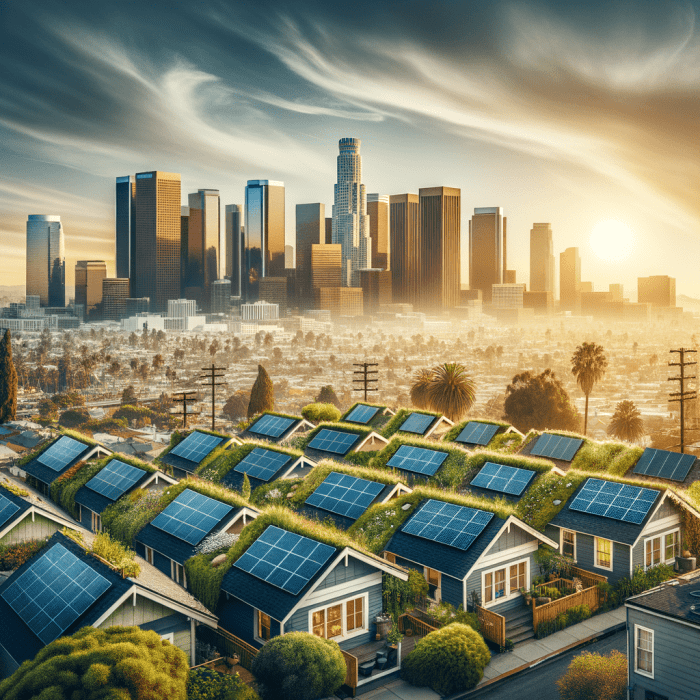
When it comes to eco-friendly roofs, proper maintenance is crucial to ensure their longevity and efficiency. Compared to traditional roofs, eco-friendly roofs may require slightly different care due to the materials used and their sustainable nature.
Maintenance Requirements for Eco-Friendly Roofs
- Regular cleaning of debris and dirt to prevent clogging and damage.
- Inspection of roof components such as solar panels, greenery, or reflective coatings for any signs of wear or damage.
- Checking for leaks, gaps, or cracks that could compromise the roof's performance.
Tips for Prolonging the Lifespan of an Eco-Friendly Roof
- Trim overhanging tree branches to prevent damage from falling limbs or debris.
- Ensure proper drainage to avoid water pooling and potential leaks.
- Invest in professional maintenance services to address any issues promptly.
Importance of Regular Inspections and Repairs
- Regular inspections can help detect minor issues before they escalate into costly repairs.
- Timely repairs can prevent water damage, mold growth, and structural issues.
- Proactive maintenance can extend the lifespan of your eco-friendly roof and maximize its energy efficiency.
Summary
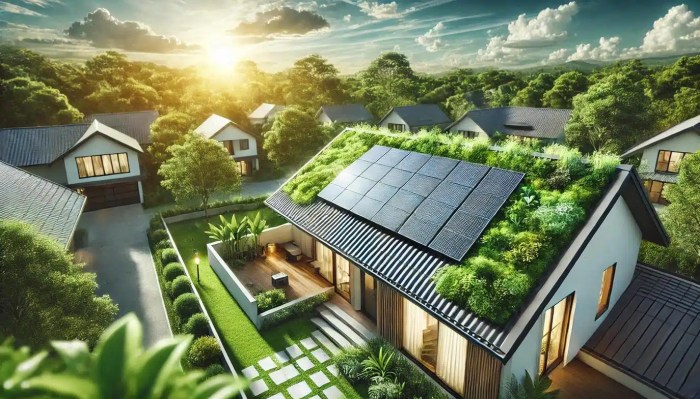
In conclusion, eco-friendly roof installation is not just a trend but a smart choice for a greener future. By opting for sustainable roofing materials and practices, you not only contribute to a healthier environment but also enjoy long-term benefits for your home.
Make the switch to eco-friendly roofs today and embrace a more sustainable way of living.
FAQ Summary
Are eco-friendly roofs more expensive than traditional roofs?
Eco-friendly roofs may have a higher initial cost but offer long-term savings through reduced energy bills and maintenance expenses.
Do eco-friendly roofs require special maintenance?
Eco-friendly roofs generally require less maintenance compared to traditional roofs, but regular inspections and minor repairs are still recommended to prolong their lifespan.
How do eco-friendly roofs impact indoor temperature regulation?
Eco-friendly roofs can help regulate indoor temperatures by reducing heat absorption, leading to a more comfortable living environment and lower cooling costs.