
Roofing contractor management software revolutionizes project efficiency, enhancing communication between contractors and clients while integrating key features essential for the industry. Dive into the world of streamlined operations and seamless collaborations with this innovative software solution.
Importance of Roofing Contractor Management Software
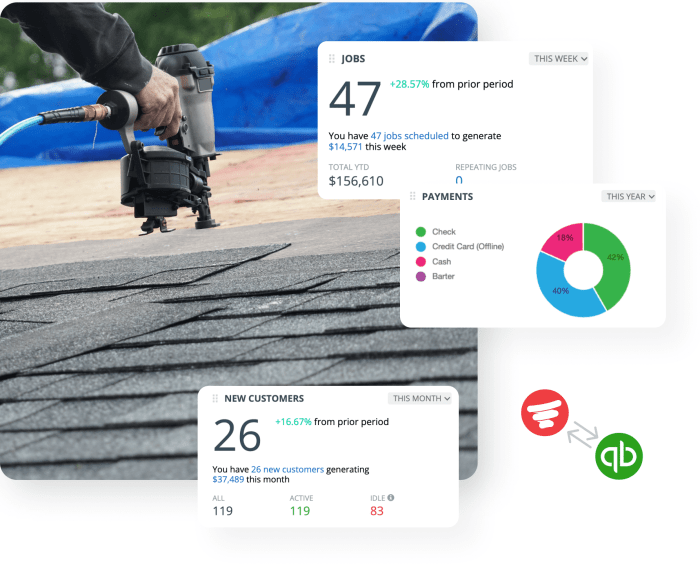
Roofing contractor management software plays a crucial role in the efficient and effective handling of roofing projects. By utilizing specialized software, contractors can streamline their operations, improve communication with clients, and enhance overall project management.
Benefits of Using Software for Managing Roofing Projects
- Centralized Project Management: Software allows contractors to keep all project-related information, such as schedules, budgets, and materials, in one centralized location for easy access.
- Improved Communication: Through features like messaging, file sharing, and notifications, software enables seamless communication between contractors, team members, and clients.
- Enhanced Efficiency: Automation of tasks, such as invoicing, scheduling, and reporting, helps save time and resources, leading to increased efficiency in project management.
Key Features of Roofing Contractor Management Software
- Project Tracking: Software provides real-time updates on project progress, allowing contractors to monitor timelines, budgets, and resource allocation effectively.
- Client Relationship Management: With built-in CRM tools, software helps contractors maintain positive relationships with clients by managing communication, contracts, and feedback efficiently.
- Document Management: From contracts to permits, software enables secure storage and easy access to all project-related documents, ensuring compliance and organization.
Features to Look for in Roofing Contractor Management Software
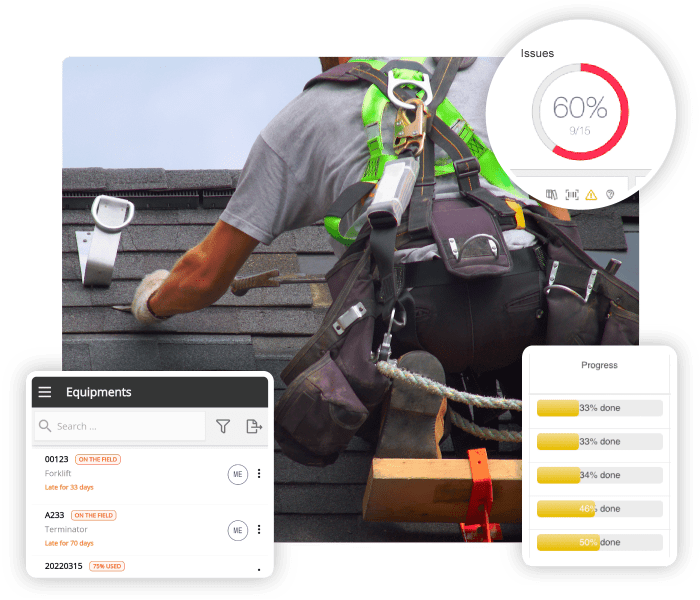
When choosing roofing contractor management software, it is important to consider various features that can streamline your operations and improve efficiency. Here are some essential features to look for:
Project Tracking
- Ability to track the progress of each project, including timelines, milestones, and budget.
- Real-time updates on project status to ensure timely completion and efficient resource allocation.
- Integration with GPS technology for tracking the location of crew and equipment.
Scheduling
- Calendar-based scheduling to manage appointments, tasks, and deadlines effectively.
- Automatic notifications and reminders for upcoming jobs or meetings.
- Ability to assign tasks to specific team members and track their availability.
Invoicing
- Automated invoicing processes to create and send invoices promptly.
- Integration with accounting software for seamless financial management.
- Ability to generate customizable invoices and track payment status.
Scalability and Customization
- Software that can grow with your business and adapt to changing needs.
- Customizable features to tailor the software to your specific requirements.
- Options for adding or removing users, features, or modules as needed.
Integration with Other Tools
- Compatibility with CRM systems for managing customer relationships and leads.
- Integration with accounting software for streamlined financial processes.
- Ability to connect with other industry-specific tools for enhanced functionality.
Implementation and Training Processes
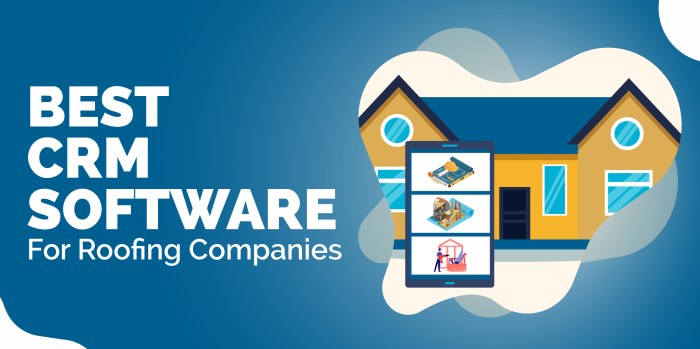
Implementing and training staff on roofing contractor management software is crucial for maximizing its benefits. Here's a step-by-step guide on how to implement the software effectively and best practices for training your team:
Implementation Process
Implementing roofing contractor management software requires careful planning and execution. Follow these steps for a successful implementation:
- Assess Your Needs: Identify the specific requirements of your roofing business and how the software can address them.
- Choose the Right Software: Select a reputable and user-friendly roofing contractor management software that aligns with your business goals.
- Customize and Configure: Tailor the software to meet your business processes and workflows by configuring settings and features accordingly.
- Data Migration: Transfer your existing data accurately to the new software to ensure seamless transition and continuity of operations.
- Training: Provide comprehensive training to your staff on how to use the software effectively and efficiently.
- Testing and Feedback: Conduct thorough testing of the software and gather feedback from users to make necessary adjustments.
- Go Live: Launch the software across your organization and monitor its performance closely to address any issues promptly.
Training Staff
Training your staff on using roofing contractor management software is essential for maximizing productivity and efficiency. Here are some best practices for training your team effectively:
- Provide Hands-On Training: Offer practical, hands-on training sessions to help employees familiarize themselves with the software.
- Offer Ongoing Support: Ensure ongoing support and resources are available to assist staff with any questions or issues they may encounter.
- Encourage Adoption: Emphasize the benefits of the software and encourage staff to embrace it as a valuable tool in their daily work.
- Monitor Progress: Track staff progress with the software and provide additional training or guidance as needed to improve proficiency.
- Celebrate Success: Recognize and celebrate milestones and successes achieved through the effective use of the software to motivate staff.
Common Challenges and Solutions
During the implementation process, you may encounter challenges such as resistance to change, technical issues, or data inaccuracies. Here's how to overcome common challenges:
- Change Management: Communicate the benefits of the software clearly to staff and involve them in the implementation process to gain buy-in.
- Technical Support: Ensure access to technical support resources and training materials to help staff troubleshoot issues effectively.
- Data Accuracy: Regularly review and validate data entered into the software to maintain accuracy and reliability.
- Continuous Improvement: Seek feedback from staff and stakeholders to identify areas of improvement and make necessary adjustments to enhance software usage.
Data Security and Compliance
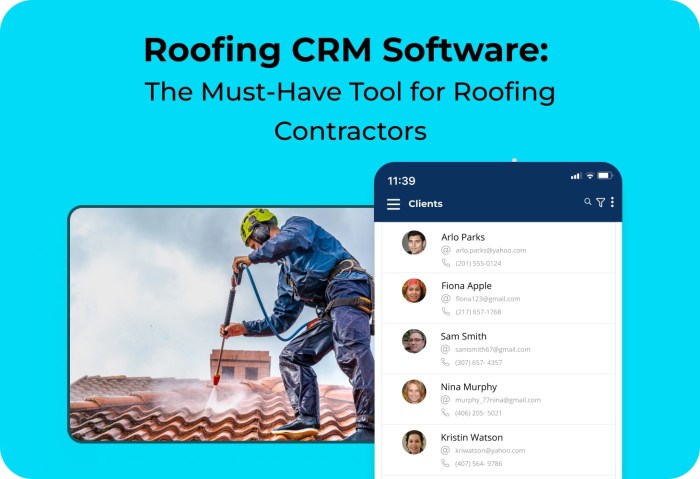
Data security is a critical aspect of roofing contractor management software as it involves handling sensitive information such as client details, project data, financial records, and more. Ensuring the security and privacy of this data is essential to maintain trust with clients and comply with regulations.
Importance of Data Security
- Protecting sensitive information from cyber threats and unauthorized access.
- Maintaining client confidentiality and trust.
- Preventing data breaches that could result in financial loss or reputational damage.
Compliance Requirements
- GDPR (General Data Protection Regulation): Ensuring the protection of personal data of individuals within the European Union.
- Industry-specific regulations: Compliance with regulations specific to the construction and roofing industry, such as data retention policies and security standards.
Measures for Data Protection
- Encryption: Implementing encryption protocols to secure data in transit and at rest.
- Access controls: Setting up user permissions and authentication processes to limit access to sensitive information.
- Regular audits: Conducting security audits and assessments to identify vulnerabilities and ensure compliance with regulations.
- Data backup and recovery: Establishing backup procedures to prevent data loss in case of emergencies or cyberattacks.
Final Review
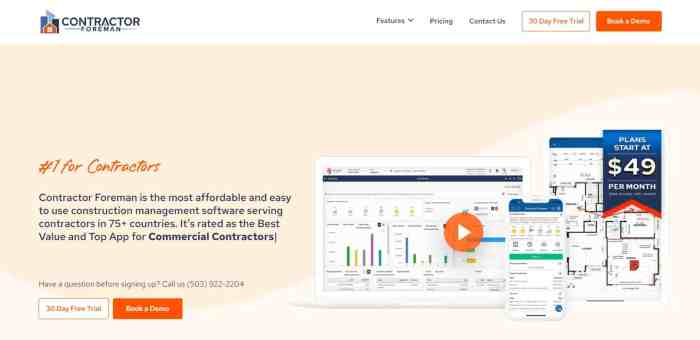
In conclusion, roofing contractor management software is the backbone of successful projects, ensuring data security, compliance, and effective implementation. Embrace the future of roofing management with this powerful tool at your fingertips.
Quick FAQs
What are the benefits of using roofing contractor management software?
Roofing contractor management software helps streamline project management, improve communication, and enhance overall efficiency in operations.
What are some essential features to look for in roofing contractor management software?
Key features include project tracking, scheduling tools, invoicing capabilities, and integrations with CRM systems or accounting software.
How can roofing contractor management software improve data security?
These software solutions implement measures to ensure data protection and compliance with regulations like GDPR, safeguarding sensitive information.