
Roof storm emergency repair is a critical aspect of home maintenance that often gets overlooked until disaster strikes. In this comprehensive guide, we will explore the importance of timely repairs, common types of damage, assessment steps, temporary vs. permanent solutions, hiring professionals, and even DIY tips to help you navigate through roof storm emergencies with confidence.
Importance of Roof Storm Emergency Repair
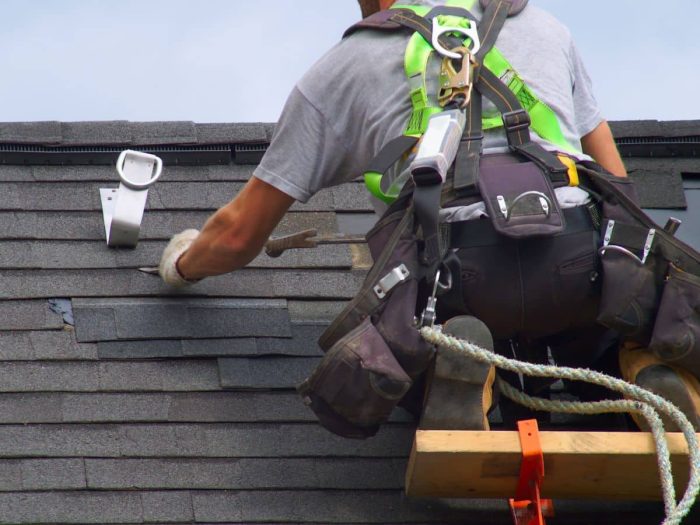
Timely roof storm emergency repair is crucial to prevent further damage to the building and ensure the safety of its occupants.
Risks of Delaying Roof Repairs
- Leakage: Delaying repairs can lead to water seeping into the building, causing water damage to the interior and potentially mold growth.
- Structural Damage: The longer roof damage is left unaddressed, the greater the risk of structural damage to the building, compromising its integrity.
- Increased Costs: Delaying repairs can result in more extensive damage, leading to higher repair costs in the long run.
Impact of Neglecting Roof Storm Emergency Repairs
- Decreased Property Value: Neglecting roof repairs can decrease the overall value of the property, making it less desirable to potential buyers.
- Safety Hazard: A damaged roof can pose a safety hazard to occupants, with the risk of collapse or further damage during the next storm.
- Insurance Issues: Neglecting repairs may result in insurance claims being denied if the damage worsens due to neglect.
Common Types of Roof Damage from Storms
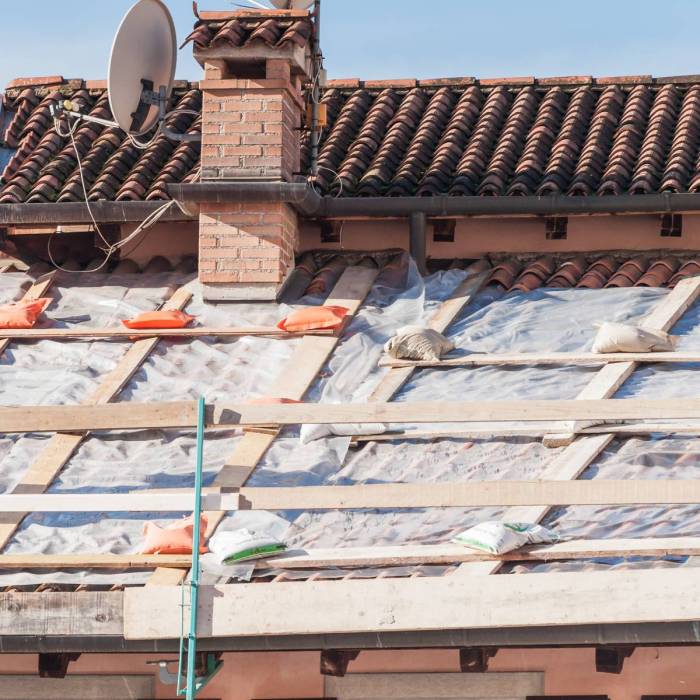
When storms like hurricanes, heavy rain, or hail hit, roofs are often vulnerable to various types of damage. Understanding the common types of roof damage caused by storms can help homeowners prepare and take appropriate action to protect their properties.
Wind Damage
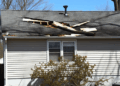
Wind is a common culprit when it comes to roof damage during storms. High winds can lift shingles, tiles, or metal panels, causing them to loosen or even tear off completely. This can leave the underlying structure exposed to further damage.
Debris Damage
Debris flying around during a storm can also wreak havoc on roofs. Tree branches, broken pieces of other buildings, or even loose outdoor furniture can impact and puncture the roof, leading to leaks and structural weakening.
Water Damage
Water is another major contributor to roof damage during storms. Heavy rain or hail can cause water to seep under shingles or tiles, leading to leaks and water damage inside the home. Additionally, standing water on the roof can put pressure on the structure, leading to potential collapse.
Variability Based on Storm Severity
The extent of roof damage can vary depending on the severity of the storm. Mild storms may cause minimal damage, such as a few missing shingles, while severe storms like hurricanes can completely destroy a roof, leaving homes uninhabitable. It is crucial for homeowners to assess and address storm damage promptly to prevent further issues.
Steps to Assess Roof Storm Damage
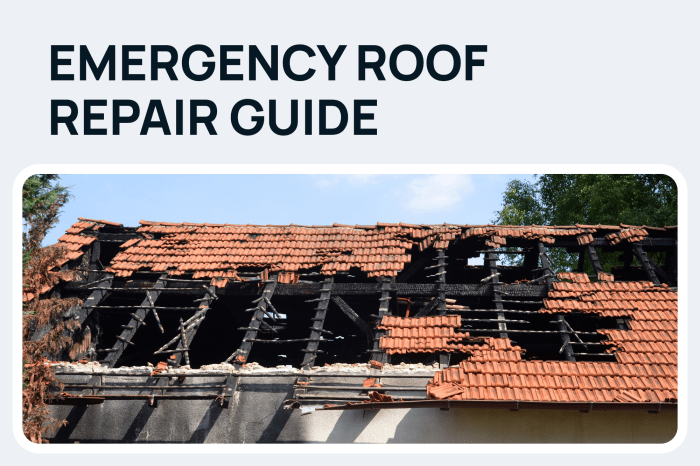
When inspecting a roof for storm damage, it is crucial to follow a systematic approach to ensure all potential issues are identified and properly addressed.
Key Areas to Examine for Potential Damage
- Shingles: Check for missing, cracked, or curled shingles as they can indicate the impact of the storm.
- Flashing: Inspect the flashing around chimneys, vents, and skylights for any signs of damage or displacement.
- Gutters: Look for dents, sagging, or debris buildup in the gutters, which can affect drainage and cause water damage.
- Soffits and Fascia: Examine these areas for any signs of water stains, rot, or peeling paint, indicating water penetration.
- Attic: Check the attic for signs of water leaks, such as water stains, mold, or a musty odor.
Differentiating Between Minor and Severe Roof Storm Damage
- Minor Damage: Small areas of missing or damaged shingles, minor leaks, or dents in flashing can often be repaired without extensive work.
- Severe Damage: Extensive roof leaks, large sections of missing shingles, or structural damage require immediate attention from a professional to prevent further issues.
Temporary vs. Permanent Roof Storm Emergency Repairs
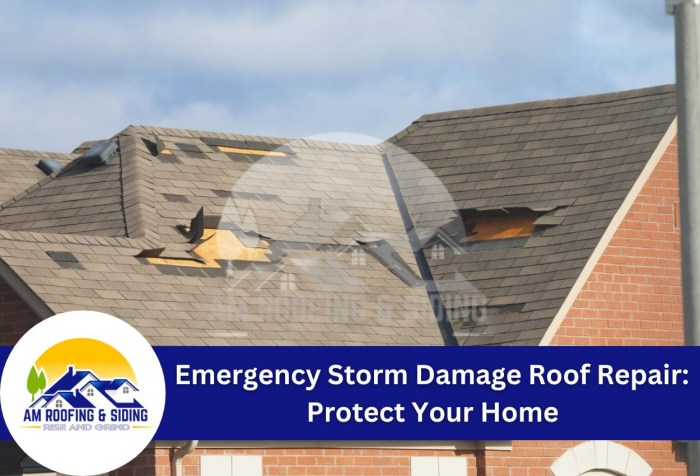
When it comes to addressing roof storm damage, it is essential to understand the distinction between temporary fixes and permanent repairs. Temporary repairs are quick solutions implemented to prevent further damage before permanent repairs can be made. On the other hand, permanent repairs are long-term solutions aimed at restoring the roof to its original condition.
Importance of Temporary Repairs
Temporary repairs play a crucial role in mitigating the impact of roof storm damage. By addressing immediate issues such as leaks or missing shingles, temporary fixes help prevent additional water infiltration and structural damage to the property. These quick solutions buy time until a professional can assess the damage and perform permanent repairs.
- Applying roofing cement or sealant to temporarily patch leaks.
- Using tarps or plastic sheeting to cover exposed areas and prevent water penetration.
- Securing loose or missing shingles to prevent further damage.
Hiring Professionals for Roof Storm Emergency Repairs
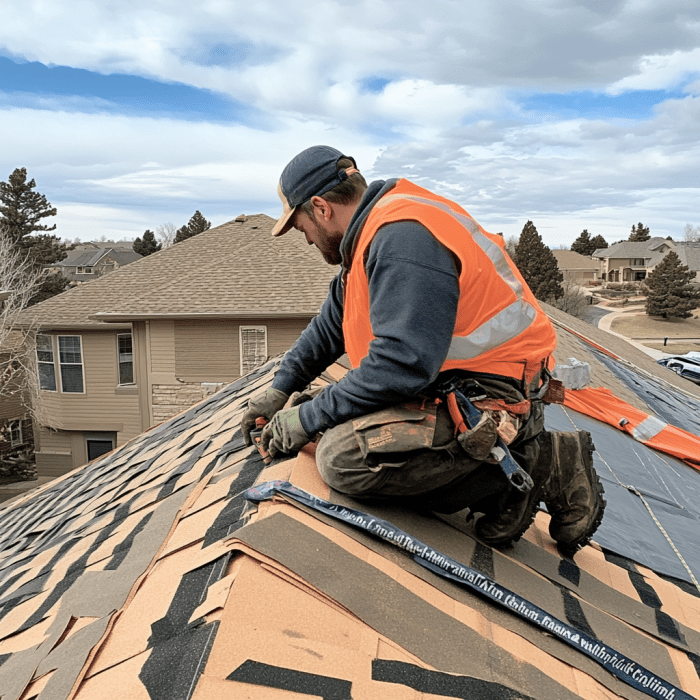
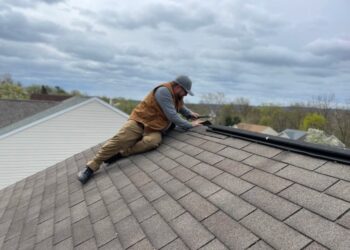
When it comes to dealing with roof storm emergency repairs, hiring professional roofing contractors can offer numerous benefits. These professionals have the expertise, tools, and experience to handle the repairs efficiently and effectively, ensuring the safety and integrity of your home.
Benefits of Hiring Professional Roofing Contractors
- Professional Expertise: Roofing contractors have the necessary skills and knowledge to assess the extent of the damage and recommend the best course of action for repairs.
- Quality Workmanship: Professionals can provide high-quality workmanship that meets industry standards, ensuring that the repairs are done correctly and will last for a long time.
- Efficiency: Professional contractors have the experience and tools to complete the repairs in a timely manner, minimizing any further damage to your home.
- Safety: Roofing work can be dangerous, especially during emergency repairs. Professional contractors are trained in safety protocols to prevent accidents and injuries.
Tips for Selecting a Reputable Roofing Company
Before hiring a roofing contractor for storm damage repairs, it is essential to do your due diligence to ensure you are working with a reputable and reliable company. Here are some tips to help you select the right contractor:
Always check for licenses, insurance, and credentials before hiring a roofing contractor. Make sure they are properly licensed and insured to work in your area.
- Ask for Recommendations: Seek recommendations from friends, family, or neighbors who have had similar repairs done in the past.
- Research Online: Look for reviews and testimonials online to gauge the reputation of the roofing company.
- Get Multiple Quotes: Obtain quotes from multiple contractors to compare pricing and services offered.
- Ask for References: Request references from the contractor and follow up with them to get feedback on their work.
Importance of Checking Licenses, Insurance, and Credentials
It is crucial to verify the licenses, insurance, and credentials of a roofing contractor before hiring them for storm damage repairs. This ensures that the contractor is qualified, legitimate, and compliant with local regulations. Hiring an unlicensed or uninsured contractor can lead to subpar workmanship, legal issues, and potential liabilities, putting your home at risk.
DIY Roof Storm Emergency Repairs
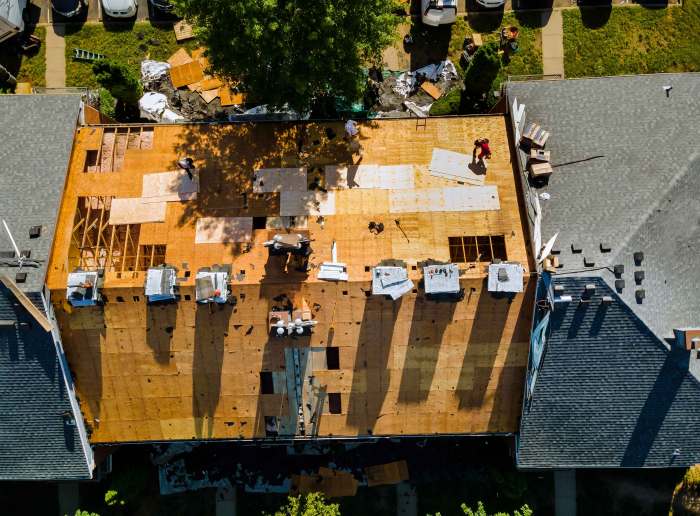
When it comes to DIY roof storm emergency repairs, homeowners need to prioritize safety above all else. It's crucial to take necessary precautions to prevent accidents or injuries while attempting to fix roof damage caused by a storm. Here are some safety tips to keep in mind:
Safety Precautions for Homeowners
- Always wear appropriate safety gear such as gloves, goggles, and sturdy shoes to protect yourself from potential hazards.
- Avoid working on the roof during extreme weather conditions, such as strong winds or heavy rain, as it can increase the risk of accidents.
- Use a sturdy ladder and make sure it is placed on a stable surface before climbing up to the roof.
- Never attempt to fix electrical components on the roof during a storm, as it can be extremely dangerous.
- If you are unsure about the extent of the damage or feel unsafe, it's best to contact professionals for assistance.
Tools and Materials Needed for Basic Temporary Roof Repairs
- Tarps or plastic sheeting to cover damaged areas and prevent water leakage.
- Roofing cement or sealant to patch up small holes or cracks in the roof.
- Hammer, nails, and screws to secure loose shingles or flashing.
- Utility knife for cutting materials and making precise repairs.
- Roofing nails or screws to secure tarps or plastic sheeting in place.
Step-by-Step DIY Fixes for Homeowners
- Inspect the roof for any visible damage, such as missing shingles, cracks, or leaks.
- Cover any exposed areas with tarps or plastic sheeting to prevent water from seeping into the house.
- Apply roofing cement or sealant to small cracks or holes to seal them and prevent further water damage.
- If there are loose shingles or flashing, use a hammer, nails, or screws to secure them back in place.
- Check the gutters and downspouts for any debris that could cause water backup and clear them if necessary.
Conclusive Thoughts
As we conclude our discussion on roof storm emergency repair, remember that proactive measures can save you from costly repairs and ensure the safety of your loved ones. By staying informed and prepared, you can weather any storm that comes your way.
Expert Answers
How soon should I repair my roof after a storm?
It is advisable to repair your roof as soon as possible to prevent further damage and maintain the structural integrity of your home.
Can I use tarps as a temporary fix for roof leaks?
Yes, tarps can be used to cover roof leaks temporarily until a professional repair can be arranged.
What credentials should I look for when hiring a roofing contractor for storm damage repairs?
Ensure the contractor is licensed, insured, and has a good reputation for quality workmanship and reliability.
Is it safe to attempt DIY roof repairs after a storm?
DIY roof repairs can be risky, especially after a storm. It's best to consult with professionals to assess the damage and determine the safest course of action.