
Roof maintenance pricing plans are crucial for homeowners and businesses alike. Understanding the intricacies of pricing structures can help you make informed decisions when it comes to maintaining your roof. Let's delve into the key factors, different types of plans, strategies for competitiveness, and tools used in the industry.
Factors influencing roof maintenance pricing plans
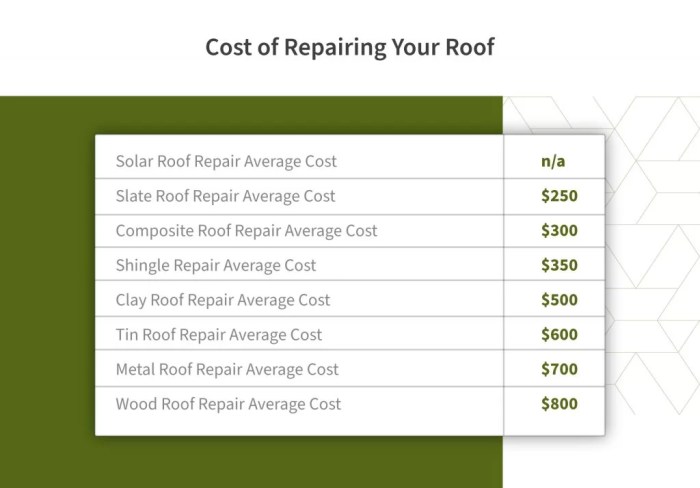
When it comes to determining the pricing plans for roof maintenance, several factors come into play that can influence the overall cost. Understanding these factors is essential for homeowners to make informed decisions about their roof maintenance needs.
Size of the Roof
The size of the roof is a significant factor that affects pricing plans for maintenance. Larger roofs require more materials and labor to inspect, repair, or replace, leading to higher costs compared to smaller roofs. The square footage of the roof area directly correlates with the pricing estimates provided by roofing contractors.
Roof Material
The type of material used in the construction of the roof also plays a crucial role in determining maintenance costs. Different roofing materials have varying levels of durability, longevity, and maintenance requirements. For instance, asphalt shingles are more affordable to maintain compared to slate or metal roofs, which may require specialized care and materials, resulting in higher costs.
Roof Pitch
The pitch or slope of the roof impacts the complexity of maintenance tasks and influences pricing plans. Steeper roofs are more challenging to work on and require additional safety measures and equipment, leading to higher labor costs. Roof pitch is an important consideration for contractors when estimating maintenance expenses.
Location
The location of the property also affects roof maintenance pricing plans. Factors such as climate, weather conditions, and accessibility can impact the frequency and extent of maintenance required. Homes in areas prone to severe weather events may need more frequent inspections and repairs, resulting in higher overall costs for roof maintenance.
Types of roof maintenance pricing plans

When it comes to roof maintenance pricing plans, there are several options available to homeowners and businesses. Each type of pricing plan has its own advantages and considerations, so it's essential to understand the differences before making a decision.
Flat-rate pricing structures
Flat-rate pricing structures involve a fixed fee for a specific service or set of services. For example, a roofing company may offer a flat rate for an annual roof inspection or gutter cleaning. The benefit of flat-rate pricing is that customers know exactly what they will be paying upfront, without any surprises or hidden costs.
Hourly-based pricing plans
Hourly-based pricing plans involve charging customers based on the amount of time spent on the job. This can be beneficial for more complex roof maintenance tasks where the time required may vary. Customers may appreciate this pricing structure as it provides transparency in terms of labor costs.
Subscription-based pricing versus one-time service fees
Subscription-based pricing involves customers paying a regular fee for ongoing roof maintenance services, typically on a monthly or annual basis. This can be convenient for customers who want to ensure their roof is regularly maintained without having to schedule appointments each time.
On the other hand, one-time service fees are paid for individual services as needed. While this may be more cost-effective for those who require minimal maintenance, it may not provide the same level of ongoing care as a subscription-based plan.
Warranty packages and pricing plans
Some roofing companies offer warranty packages that include maintenance services as part of the agreement. These packages can affect pricing plans by bundling maintenance costs with the initial installation or repair. While this may result in higher upfront costs, it can provide peace of mind knowing that future maintenance needs are covered under the warranty.
Strategies for creating competitive roof maintenance pricing plans
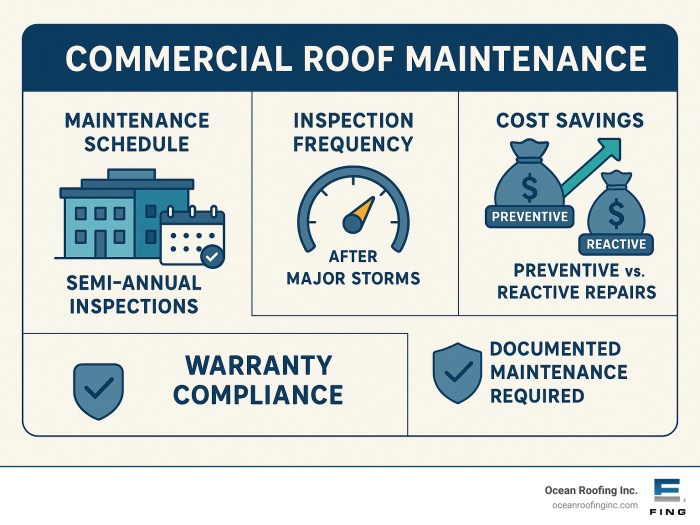
Market research plays a crucial role in developing competitive roof maintenance pricing plans. By understanding the market trends, customer preferences, and competitor pricing strategies, companies can position their pricing plans effectively to attract customers while maximizing profits.
Importance of market research in pricing strategy
Market research helps companies identify pricing trends, customer needs, and competitor strategies. By analyzing this information, companies can tailor their pricing plans to meet customer demands while staying competitive in the market.
Impact of bundling services on pricing competitiveness
Bundling services can impact pricing competitiveness by offering customers a comprehensive solution at a discounted rate. By bundling multiple services together, companies can attract more customers and increase the perceived value of their offerings, ultimately leading to a competitive edge in the market.
Tips for adjusting pricing plans based on seasonal demand
Adjusting pricing plans based on seasonal demand is essential to remain competitive. During peak seasons, companies can increase prices to capitalize on higher demand, while offering discounts during off-peak seasons to attract customers. By aligning pricing with seasonal demand, companies can optimize their revenue and stay competitive in the market.
Role of customer feedback in refining pricing strategies
Customer feedback is invaluable in refining pricing strategies. By listening to customer preferences, complaints, and suggestions, companies can adjust their pricing plans to better meet customer needs and expectations. Incorporating customer feedback into pricing strategies can help companies stay competitive and continuously improve their offerings.
Tools and technologies used to streamline roof maintenance pricing
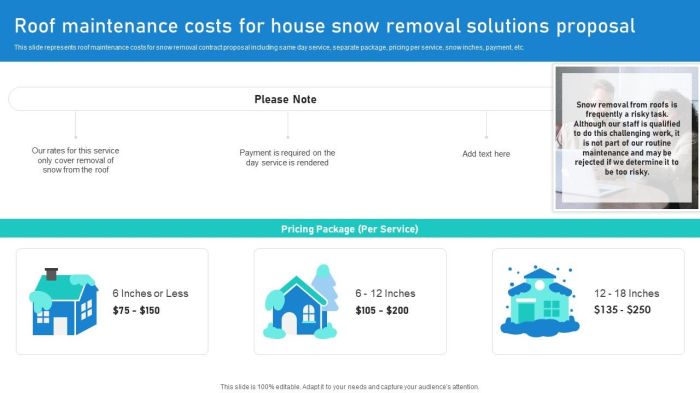
Efficient pricing in roof maintenance can be achieved through the use of various tools and technologies that streamline the process and ensure accuracy.
Software Solutions for Pricing Calculations
Software solutions play a crucial role in simplifying pricing calculations for roof maintenance. These programs can automate the pricing process, taking into account factors such as material costs, labor expenses, and overhead. By inputting relevant data, contractors can quickly generate accurate pricing quotes, saving time and reducing the risk of errors.
Role of Drones in Assessing Roofs
Drones have revolutionized the way roofs are assessed for maintenance and repair. These aerial devices can capture high-resolution images and videos of rooftops, allowing contractors to inspect the condition of the roof without physically climbing up. By utilizing drones, contractors can accurately assess the extent of damage and required maintenance, leading to more precise pricing estimates.
CRM Systems for Managing Pricing Plans
Customer Relationship Management (CRM) systems are invaluable tools for managing pricing plans in roof maintenance. These systems can help contractors track customer information, project details, and pricing history, enabling them to create customized pricing plans based on individual customer needs.
By centralizing pricing data and customer information, CRM systems streamline the pricing process and improve efficiency.
AI Optimization for Pricing Strategies
Artificial Intelligence (AI) can optimize pricing strategies in roof maintenance by analyzing vast amounts of data to identify pricing trends and customer preferences. AI algorithms can help contractors set competitive pricing, adjust pricing based on market conditions, and maximize profitability.
By leveraging AI technology, contractors can enhance their pricing strategies and stay ahead of the competition.
Closing Summary
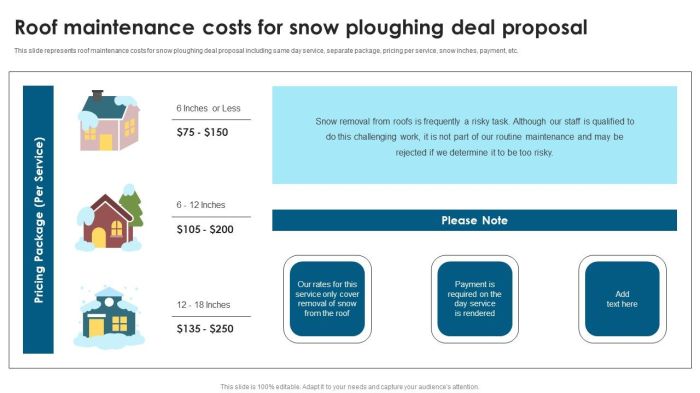
In conclusion, creating competitive roof maintenance pricing plans requires a deep understanding of various factors and a strategic approach. By implementing the right strategies and utilizing advanced tools, you can ensure that your pricing plans are not only competitive but also sustainable in the long run.
FAQ Resource
How does the roof size influence pricing?
The larger the roof, the more materials and labor are required, leading to higher pricing.
What are the benefits of hourly-based pricing plans?
Hourly-based plans provide transparency and flexibility for customers, especially for projects with variable workloads.
How can bundling services impact pricing competitiveness?
By bundling services, you can offer package deals that appeal to customers while maximizing your profits.
What role do CRM systems play in managing pricing plans efficiently?
CRM systems help organize customer data, track interactions, and streamline the pricing process for better efficiency.
How can AI optimize pricing strategies in roof maintenance?
AI can analyze data to predict demand, optimize pricing, and personalize offers, ultimately improving overall profitability.